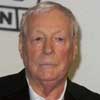
Russell Johnson – Professor on Gilligan’s Island – Dies at 89
Russell Johnson died from kidney failure at his home in Bainbridge Island, Washington, on January 16, 2014, at the age of 89. He is survived by two original cast members
Russell Johnson died from kidney failure at his home in Bainbridge Island, Washington, on January 16, 2014, at the age of 89. He is survived by two original cast members
More than 90 percent of Americans age 65 and older now have prescription drug coverage, compared to more than 75 percent who were covered in 2004, according to a University of Michigan analysis. And poor seniors are as likely to have coverage as the rich.
A Penn State researcher argues that ambiguous international rules outlining when and how governments may “break” pharmaceutical patents may end up significantly reducing incentives for innovation while at the same time failing to increase access to medicines.
Skin cancer levels have shown a significant increase in Northern Ireland since the early 1990s and are more likely to affect men, older people and those living in more affluent areas, according to a study just published in the June issue of British Journal of Dermatology.
As top officials from the Group of Eight (G8) industrialized countries gather in Germany for their summit meeting today, the main United Nations agency dealing with AIDS urged them to show continued leadership on the issue.
Decisions about building casinos in the UK have not given enough weight to the potential health effects, argue two doctors in this week?s BMJ.
Expressing concern over the growing cases of organ transplantation in the developing world, World Health Organisation has said ??Transplant tourism” is on the rise because organ donations are not keeping up with growing demand, especially for kidneys.
An article in Current Directions in Psychological Science argues that happiness levels do change, adaptation is not inevitable, and life events do matter.
“Nanotechnology has the potential to generate enormous health benefits for the more than five billion people living in the developing world,” according to Dr. Peter A. Singer, senior scientist at the McLaughlin-Rotman Centre for Global Health and Professor of Medicine at University of Toronto.
The richest 2 percent of adults in the world own more than half of global household wealth according to a path-breaking study by the Helsinki-based World Institute for Development Economics Research of the United Nations University (UNU-WIDER). “World Distribution of Household Wealth,” is the first study of its kind to cover all countries in the world and all major components of household wealth, including financial assets and debts, land, buildings and other tangible property.